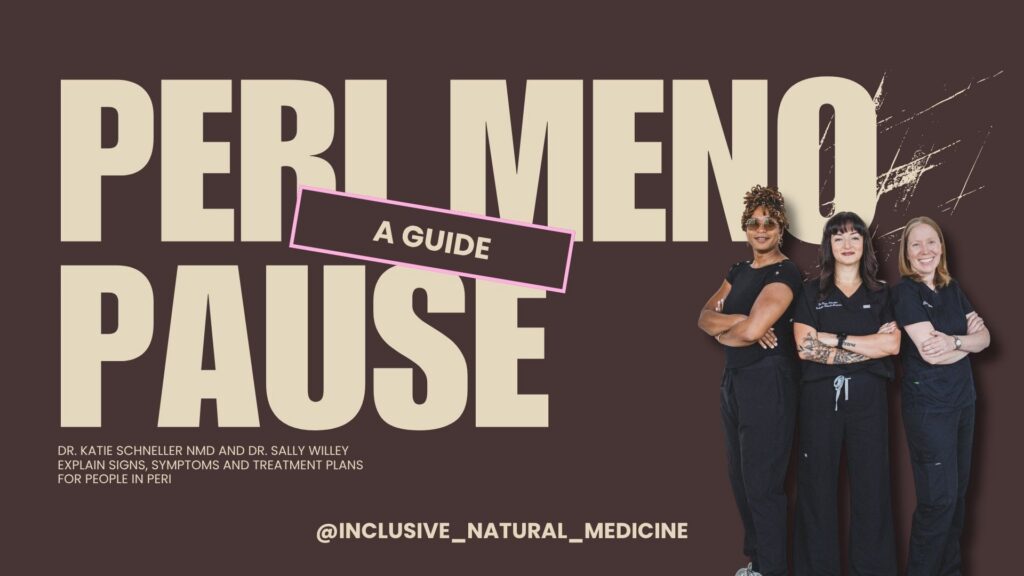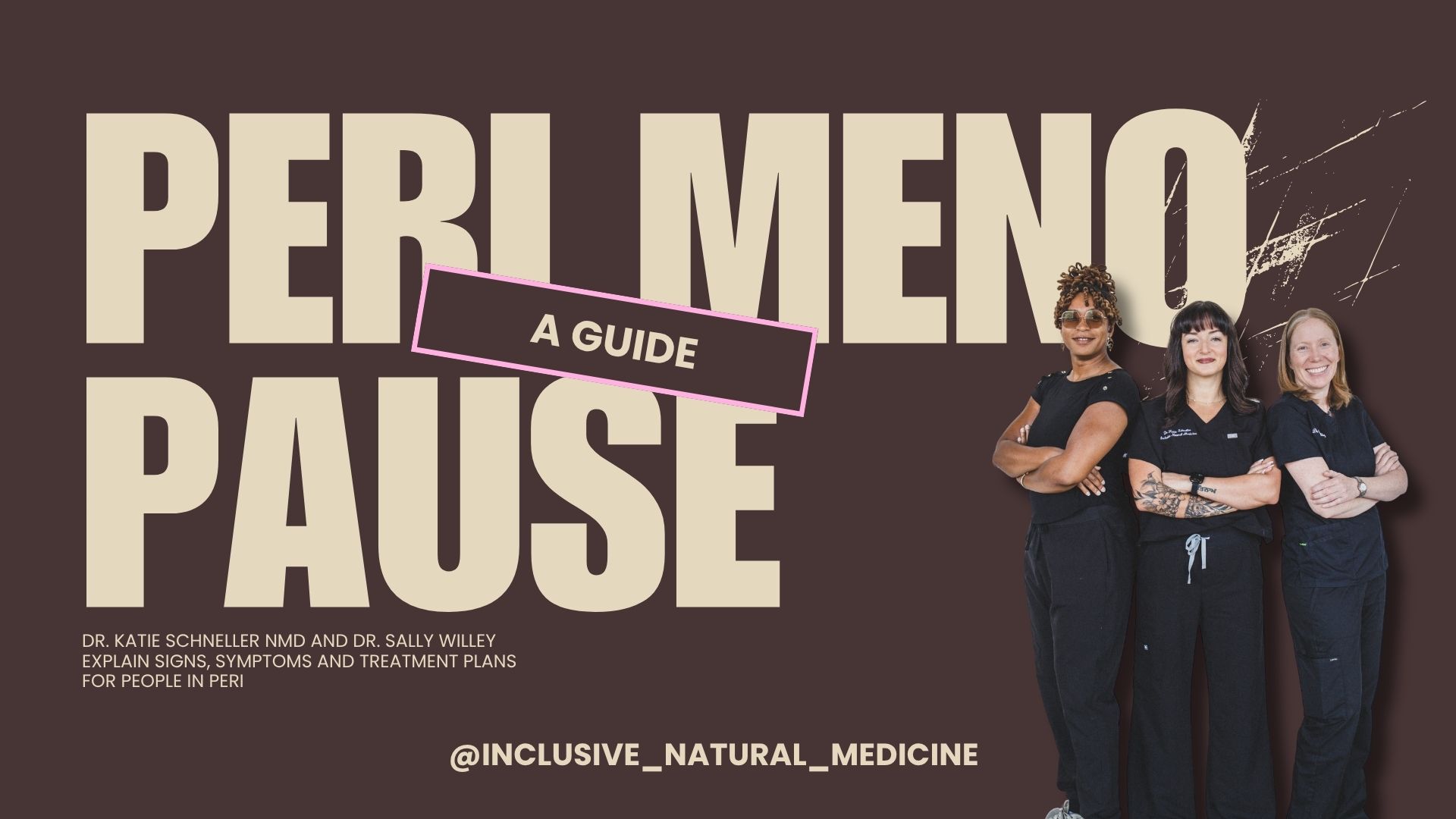
Perimenopause: Why You Don’t Feel Like Yourself Anymore (And What You Can Do About It)
If you’ve found yourself searching for answers about unexplained weight gain, fatigue, anxiety, brain fog, poor sleep, mood swings, or changes in your menstrual cycle, you may be experiencing perimenopause.
At Inclusive Natural Medicine in Tempe, Arizona, we frequently see women who know something has changed but have been told their symptoms are “normal aging” or that their labs look fine. While perimenopause is a natural transition, suffering through it doesn’t have to be.
What Is Perimenopause?
Perimenopause is the transitional period leading up to menopause. It can begin as early as your mid-30s but is most common in women during their 40s. During this time, hormone levels fluctuate significantly, often creating symptoms that impact daily life.
Common symptoms of perimenopause include:
- Fatigue and low energy
- Weight gain, especially around the midsection
- Brain fog and forgetfulness
- Anxiety and increased stress sensitivity
- Mood swings and irritability
- Difficulty sleeping
- Night sweats and hot flashes
- Irregular menstrual cycles
- Low libido
- Hair thinning and skin changes
Many women describe it simply as, “I don’t feel like myself anymore.”
Things You Can Do During Perimenopause
While hormone shifts are unavoidable, there are several ways to support your body during this transition:
- Prioritize Protein: Protein helps support muscle mass, blood sugar balance, metabolism, and hormone production.
- Strength Train Regularly: Muscle naturally declines with age. Resistance training can help maintain strength, energy, and metabolic health.
- Improve Sleep Quality: Sleep is one of the most important factors affecting hormone balance. Creating a consistent sleep routine can make a significant difference.
- Reduce Chronic Stress: Stress hormones can worsen many perimenopausal symptoms. Breathwork, yoga, walking, meditation, and nervous system support may help.
- Support Gut Health: The gut plays an important role in hormone metabolism and inflammation. Addressing digestive issues can often improve overall symptoms.
When Should You See a Doctor?
You should consider seeing a healthcare provider if symptoms are interfering with your quality of life, relationships, sleep, work performance, or overall well-being.
Many women seek care when they experience:
- Persistent fatigue
- Unexplained weight gain
- Severe mood changes
- Anxiety that feels new or worsening
- Sleep disturbances
- Heavy or irregular periods
- Brain fog that impacts daily function
A comprehensive evaluation can help identify whether symptoms are related to perimenopause, thyroid dysfunction, nutrient deficiencies, inflammation, insulin resistance, or other underlying conditions.
Dr. Sally Willey of Inclusive Natural Medicine explains more about normal cycle vs peri menopause cycles (video above)
Blood Tests That May Help Identify the Cause of Symptoms
At Inclusive Natural Medicine, we often recommend individualized lab testing to help uncover contributing factors. Depending on your symptoms, your provider may consider evaluating:
Hormones
- Estradiol
- Progesterone
- Total Testosterone
- Free Testosterone
- DHEA-S
- Sex Hormone Binding Globulin (SHBG)
- Follicle Stimulating Hormone (FSH)
- Luteinizing Hormone (LH)
Thyroid Function
- TSH
- Free T4
- Free T3
- Reverse T3
- Thyroid Antibodies
Metabolic Health
- Fasting Insulin
- Hemoglobin A1c
- Comprehensive Metabolic Panel
Nutrient Testing
- Vitamin D
- Vitamin B12
- Folate
- Iron Panel
- Ferritin
Inflammation Markers
- hs-CRP
- Homocysteine
These tests can provide valuable information and help guide a personalized treatment plan.
Naturopathic Treatment Options for Perimenopause
Every woman’s experience is unique, which is why individualized care is so important.
Depending on your symptoms and lab findings, treatment options may include:
- Nutrition and lifestyle counseling
- Targeted supplementation
- Herbal medicine
- Acupuncture
- Stress management strategies
- Gut health support
- IV nutrient therapy
- Peptide therapy
- Hormone optimization discussions
- Advanced functional medicine testing
Our goal is not simply to tell you your symptoms are normal. Our goal is to help you feel more like yourself again.
Looking for a Naturopathic Doctor for Perimenopause in Tempe, Arizona?
If you’re struggling with fatigue, weight gain, brain fog, hormone imbalance, hot flashes, or other symptoms of perimenopause, the team at Inclusive Natural Medicine is here to help.
Dr. Katie Schneller provides personalized naturopathic and functional medicine care for women throughout Tempe, Chandler, Ahwatukee, Mesa, Gilbert, Scottsdale, and the greater Phoenix area.
You deserve answers. You deserve to be heard. And you deserve a plan that helps you feel your best through every stage of life.
Schedule a consultation today to learn more about your hormone health and perimenopause treatment options. 480-712-7499 or CLICK HERE.