Wolverine Peptide Stack: A Powerful Combination for Injury Recovery and Tissue Repair
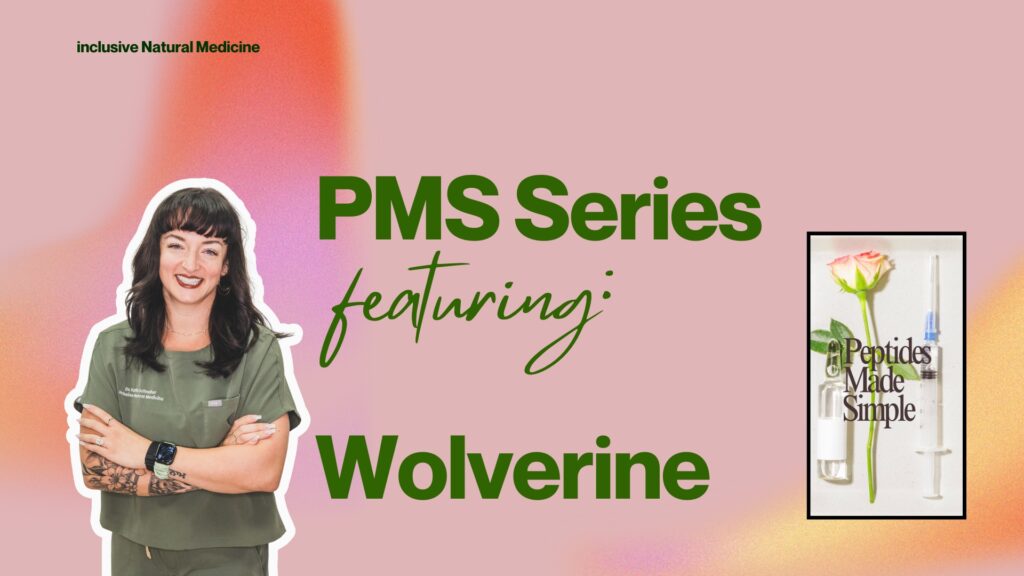
“Number three episode 3 in our PMS series Peptides Made Simple.
Number three is wolverine
You might’ve seen from the video that I did with Dr. McCutcheon, he owns bridge wellness over here in Tempe although technically, Ahwatukee, sort of almost Chandler, Arizona here.
Wolverine is fantastic because while it is also using BPC 157 it’s a combination of that with TB 500. It’s more specific for acute healing.
It’s commonly used in post surgery as well as just injury recovery, but it is also helpful for chronic inflammation so again with my little cheat sheet: Reduced inflammation and pain (by the way you inject this subcutaneously or intramuscularly 5 to 7 days a week). I know it’s a lot of needles. I know! but if you really need to recover from an injury, this is something that you know we just gotta do what we gotta do!
Days three through seven reduced inflammation and pain weeks two through three improved mobility and recovery speed and then on when you see that enhanced tissue repair tendon strength and functional recovery so wolverine for the win“
What Is the Wolverine Peptide Stack?
The Wolverine peptide stack is a combination of two widely discussed regenerative peptides:
-
BPC-157 – known for supporting tissue healing and gut repair
-
TB-500 – studied for its role in cellular repair and inflammation reduction
When used together, these peptides are often discussed as a recovery-focused combination designed to support faster healing after injury or physical stress.
Because of its focus on acute injury recovery, the Wolverine stack has become popular in conversations about sports medicine, orthopedic recovery, and regenerative medicine.
Why the Wolverine Stack Is Used
The Wolverine combination targets several pathways involved in healing and inflammation regulation.
Reduced Inflammation and Pain
Both peptides have been studied for their potential to influence inflammatory pathways, which may help support recovery from injuries and reduce discomfort.
Soft Tissue Repair
The stack is often discussed in connection with healing of:
- muscles
- tendons
- ligaments
- joints
- connective tissue
This is why it is frequently explored after sports injuries, strains, or surgical procedures.
Improved Recovery Speed
By supporting cellular repair mechanisms, the combination may help encourage faster recovery timelines and improved mobility.
Common Uses Discussed for the Wolverine Stack
The Wolverine peptide combination is frequently discussed for situations such as:
- post-surgical recovery
- sports injuries
- muscle strains or tears
- tendon or ligament injuries
- chronic inflammation affecting joints or connective tissue
- Many individuals exploring regenerative therapies are interested in approaches that support the body’s natural healing processes rather than relying solely on pain management.
Typical Administration
In peptide therapy discussions, the Wolverine stack is often described as being administered through:
- subcutaneous injections (under the skin)
- intramuscular injections (into the muscle)
Some protocols reference use 5–7 days per week, depending on the individual recovery plan and medical supervision.
While injection-based therapies may feel intimidating at first, the goal is typically to deliver peptides directly into the body where they can support tissue repair mechanisms.
(Protocols vary and should always be guided by a qualified healthcare provider. hiiii that would be us!)
What People Report During Recovery
Individuals using regenerative therapies often describe recovery happening in phases.
Days 3–7
Early improvements may include:
- reduced inflammation
- decreased pain or discomfort
- improved joint comfort
Weeks 2–3
As recovery continues, some people report:
- improved mobility
- increased range of motion
- faster recovery after physical activity
Week 4 and Beyond
Longer-term discussions often focus on:
- stronger tendons and connective tissue
- enhanced tissue repair
- improved functional recovery
Results vary depending on factors like injury severity, activity level, and overall health.
Important Safety Note
Peptides such as BPC-157 and TB-500 are considered emerging research compounds, and regulations around peptide therapies continue to evolve.
Anyone interested in peptide therapy should consult with a licensed healthcare provider experienced in regenerative or functional medicine to determine whether these treatments are appropriate for their individual needs.
The Bottom Line
The Wolverine peptide stack combines BPC-157 and TB-500 to support injury recovery, inflammation reduction, and connective tissue repair.
Because it targets multiple aspects of the healing process, it has become one of the most commonly discussed peptide combinations for acute injury recovery, sports medicine, and post-surgical support.
As the Peptides Made Simple series continues, each episode explores another peptide or peptide blend to help make the growing world of peptide therapy easier to understand.
-Dr. Katharine Schneller, NMD of Inclusive Natural Medicine
If you are ready to start your peptide journey with Inclusive Natural Medicine, please contact our office at 480-712-7499 or click here to schedule your first appointment.
All information is for educational purposes only and is not intended to treat cure or diagnose any illness. For medical care please contact our office for an appointment.